Never Too Late To Skate
Founder’s Story
I started figure skating almost by accident. When I was six, my parents took me to an ice rink after school and asked if I wanted to try. I said yes, and eventually joined a professional club. Every weekend, I travelled to Beijing for training, and during school holidays, I could spend up to eight hours a day practising.
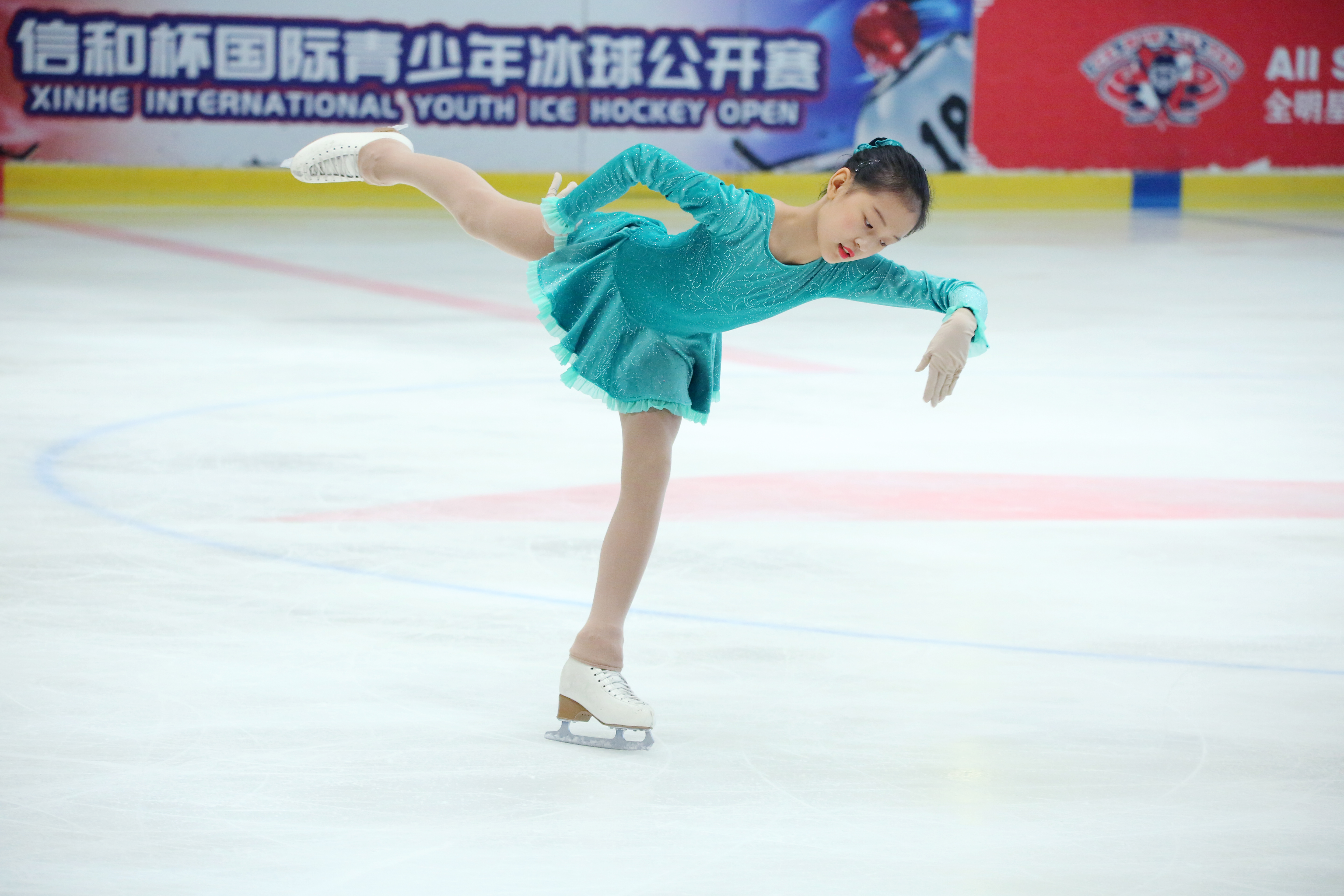
Because I grew up in that environment, I developed a very narrow idea of what figure skating looked like. In my memory, the center of the rink was always filled with children training seriously. I rarely noticed teenage or adult beginners. For a long time, I thought “real” figure skating belonged to people who had started young and trained professionally.
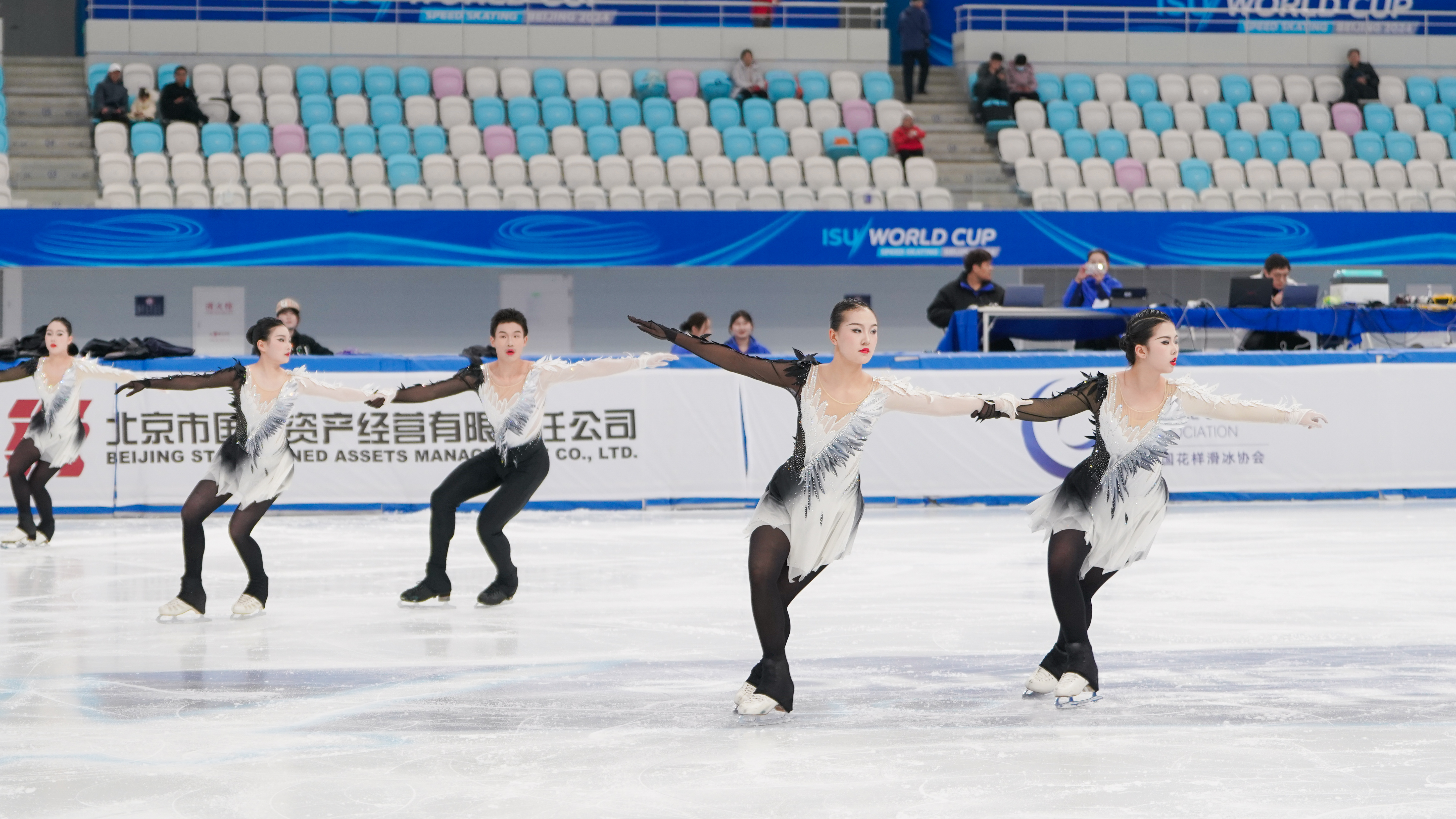
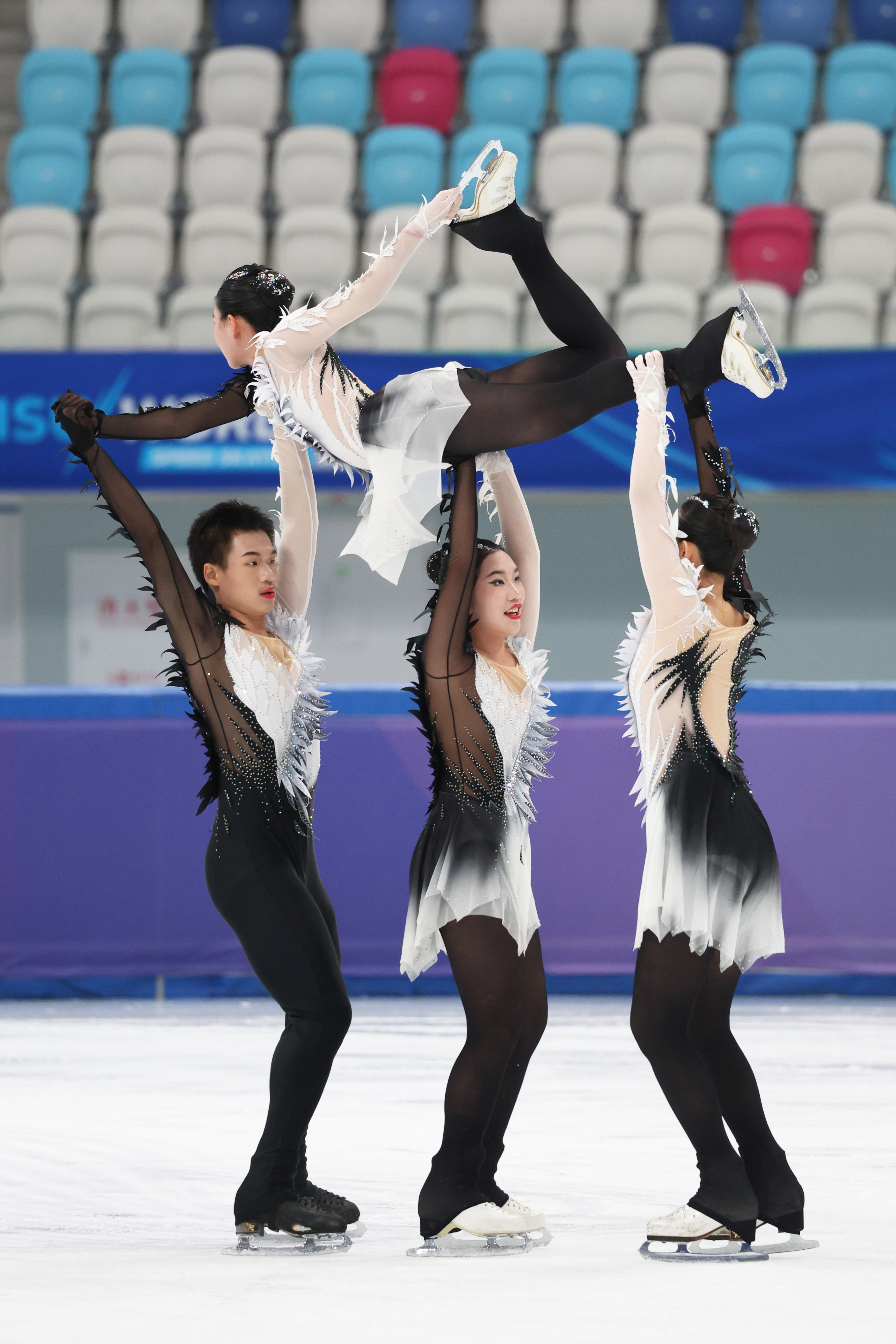
That began to change after the 2022 Winter Olympics, when more people started coming to the rink. At first, I assumed the excitement would fade. But some familiar faces stayed. They were teenagers and adults learning figure skating for the first time, returning week after week, falling, improving, and continuing.
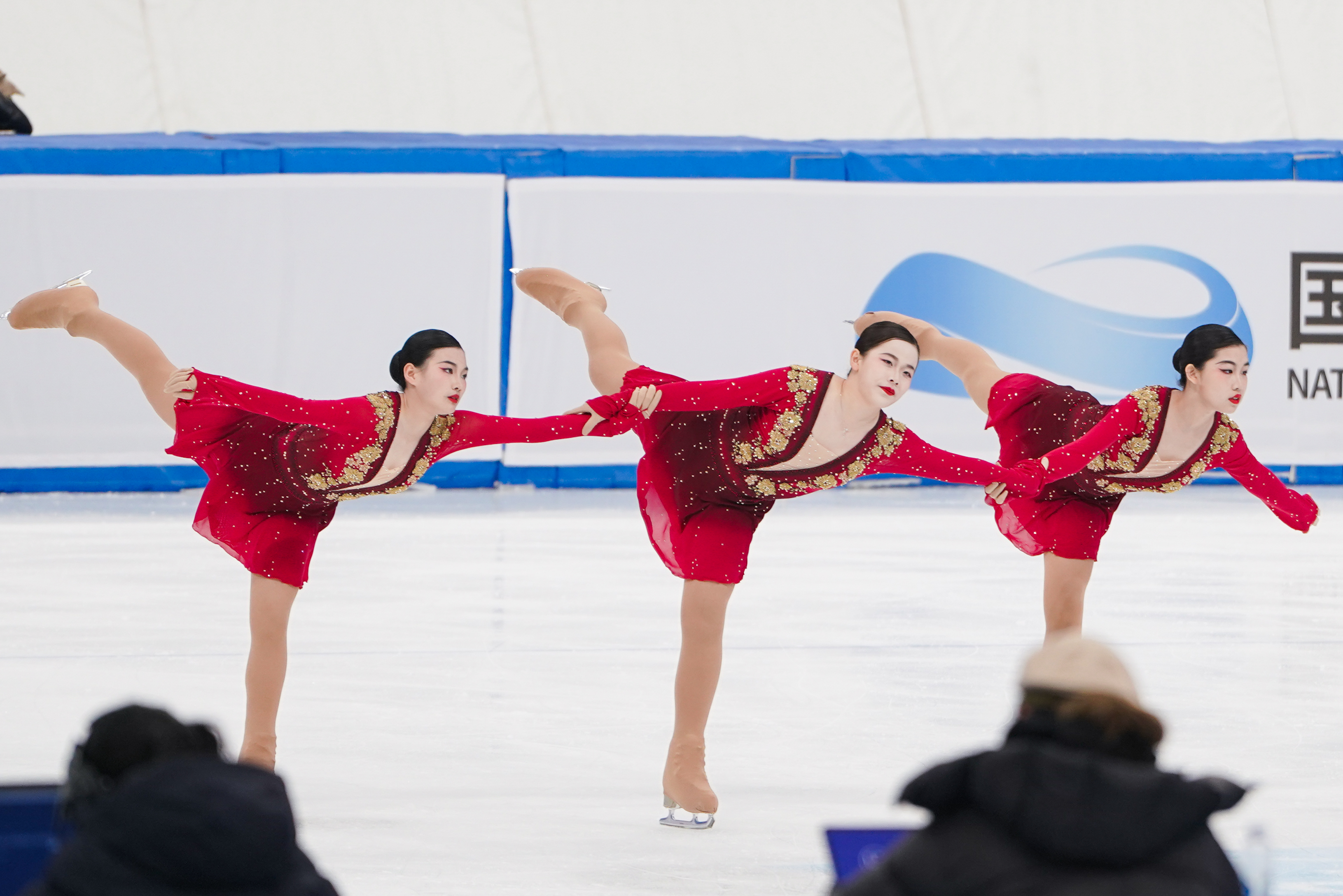
When I began interviewing late starters for Never Too Late To Skate, I was surprised by how deeply they loved the sport. I met a kindergarten teacher who skated several times a week after work, and a high school student who practised movements at home when her local rink was closed.
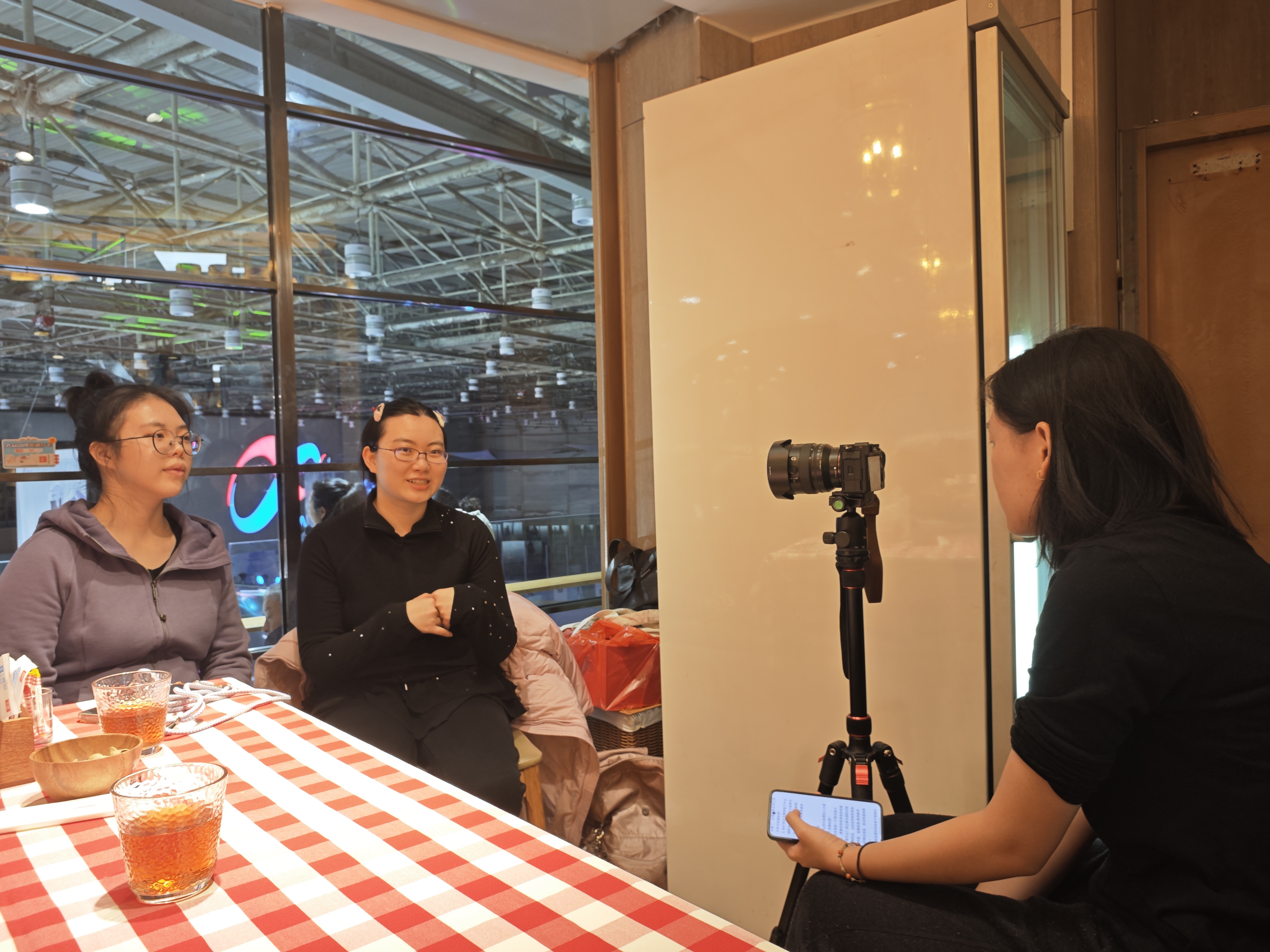
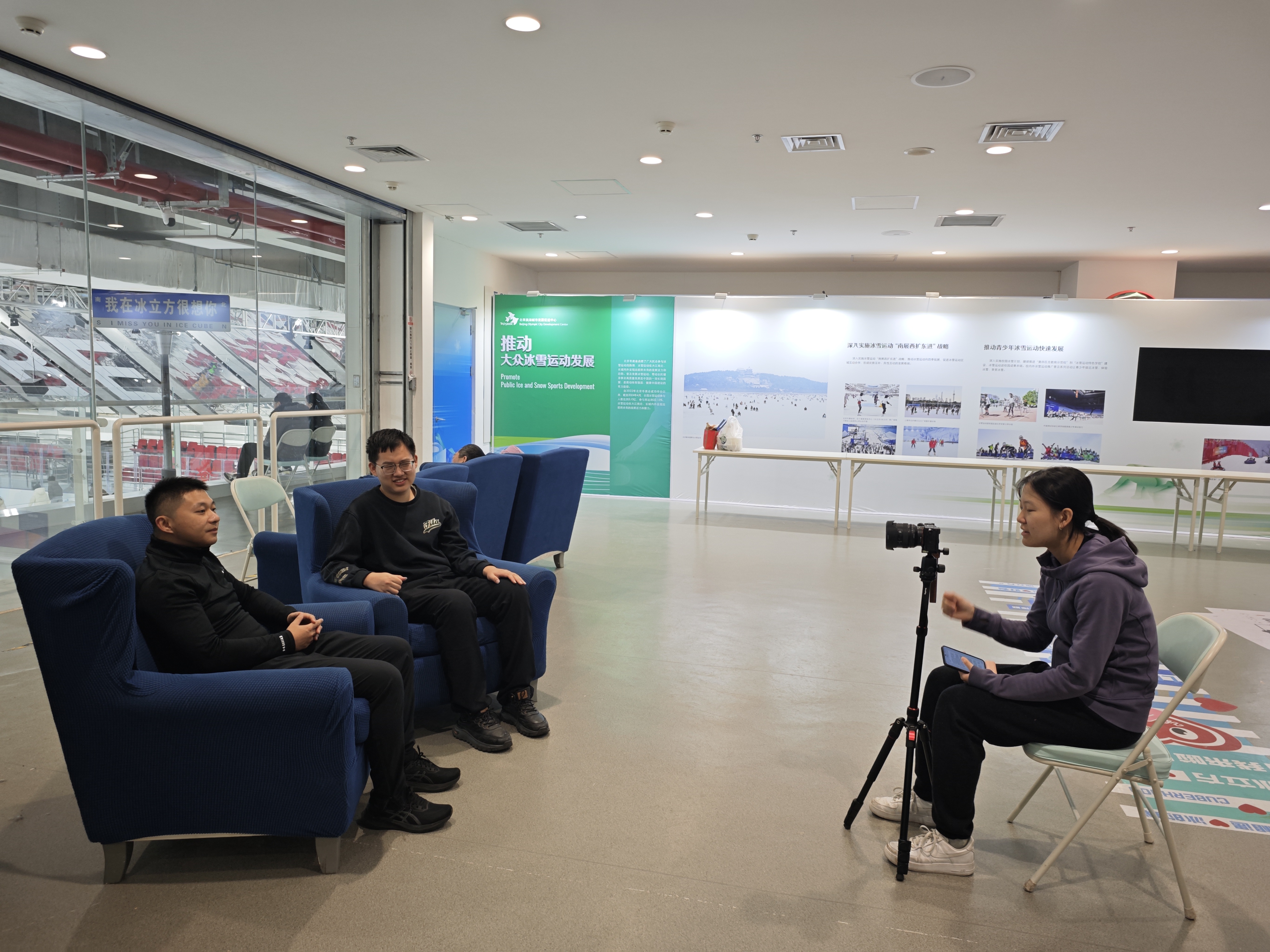
Listening to them made me question my own relationship with skating:
“Do I still skate because I truly love it, or because skating has been part of my life for so long that I no longer know how to let it go?”
Their passion made me realize that starting later does not mean caring less.
The interviews also made me reconsider my own experience. I had always taken regular coaching, ice time, structured training, and competition opportunities for granted. But many late starters told me they wished they had been able to begin earlier.
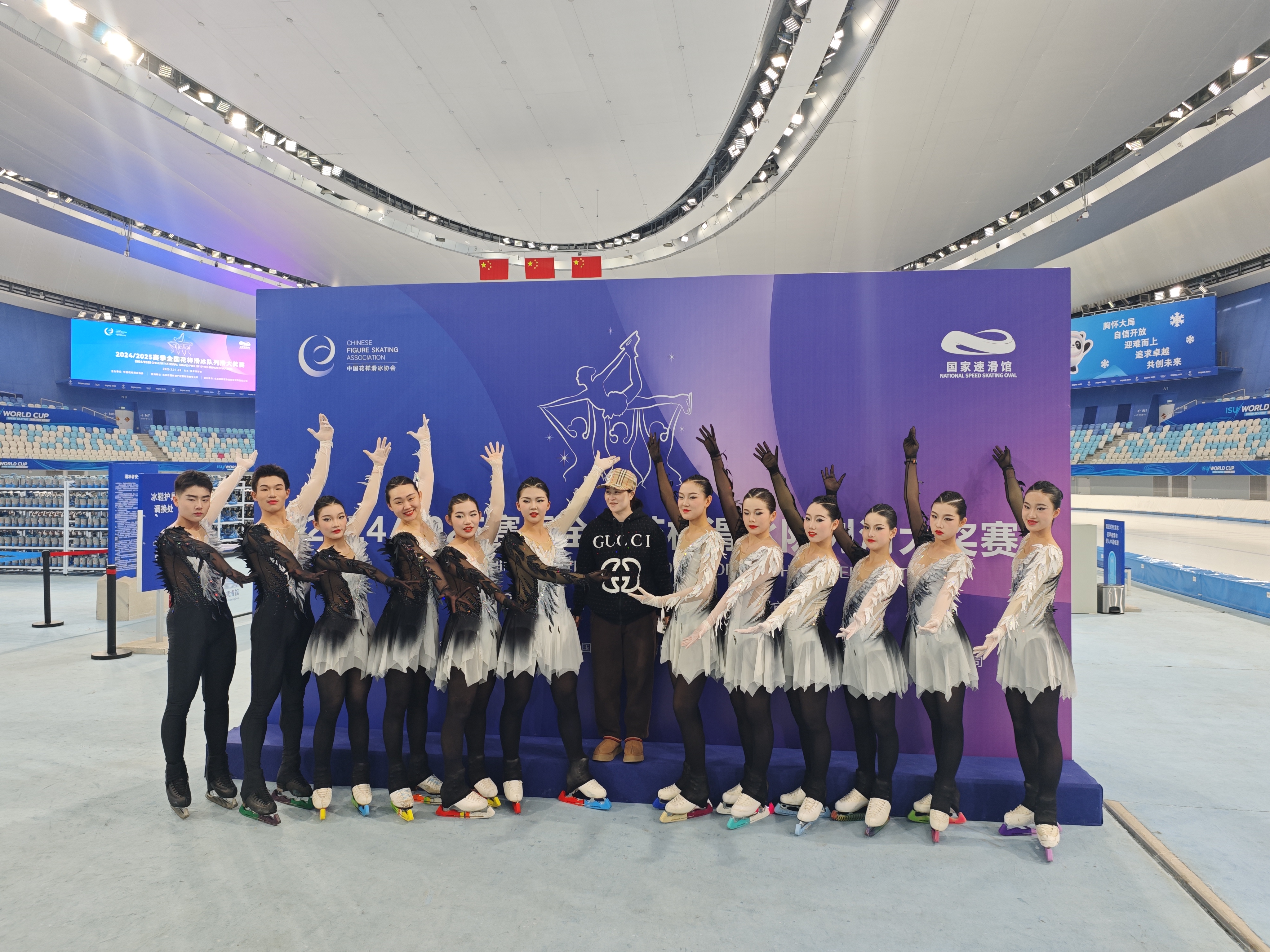
I began to understand that having access to figure skating as a child was a privilege.
That realization became the reason I created Never Too Late To Skate. Starting later may mean learning differently, progressing at another pace, or defining success in a different way. But everyone deserves the chance to discover what skating can mean to them.
There is no single right age to start something you love.
Never Too Late To Skate.
— Martina Jiang